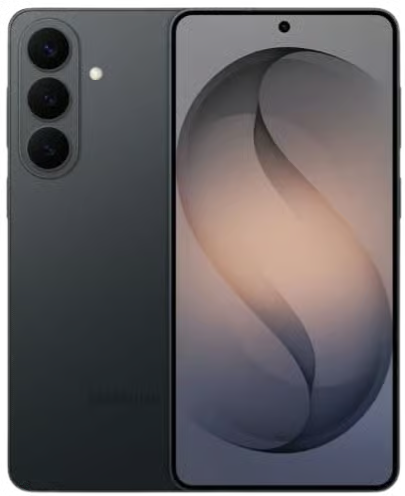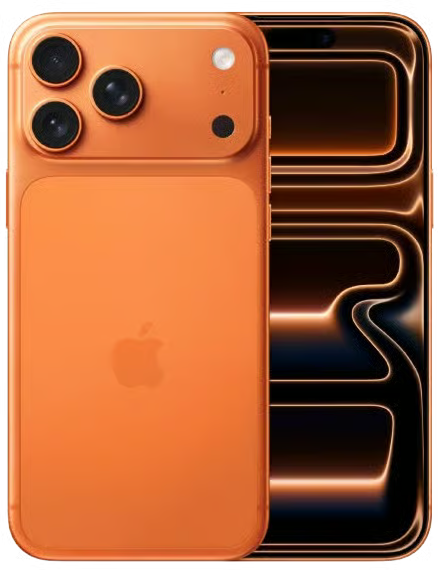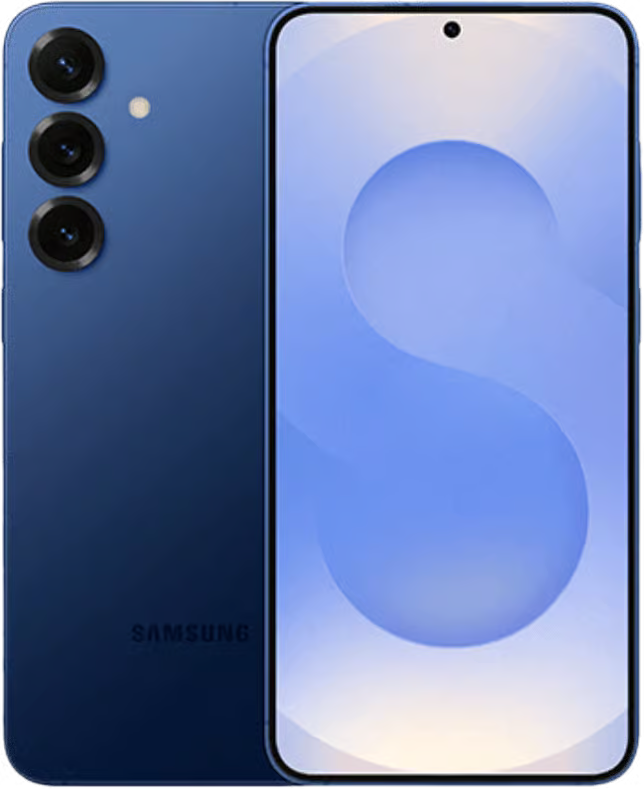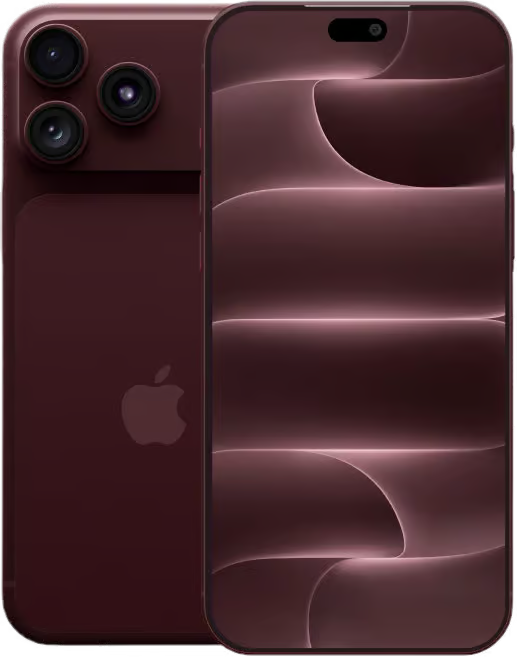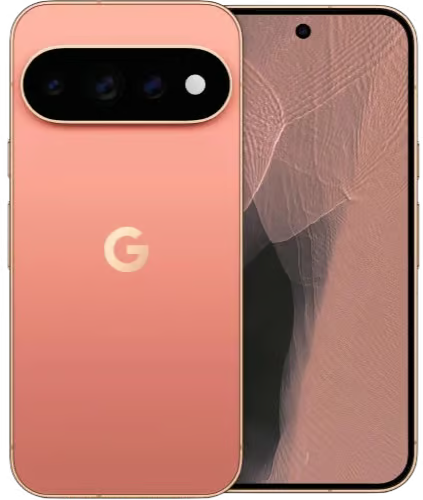
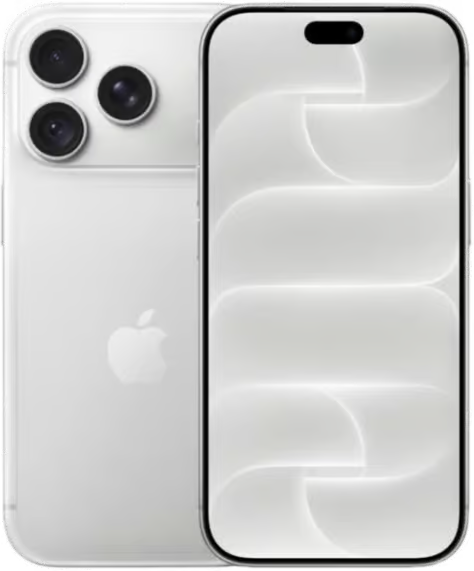
The Google Pixel 11 Pro offers a 6.3‑inch LTPO OLED with 120 Hz, HDR10+, and a 2400‑nits peak brightness, while the iPhone 18 Pro has a slightly brighter 3000‑nits peak and Dolby Vision support, plus an always‑on display and ceramic shield protection. Both run long‑term updates, but the Pixel ships Android 17 with 7 years of support versus the iPhone’s iOS 27; the Pixel’s Tensor G6 powers a 12 GB/16 GB RAM configuration, whereas the iPhone’s A20 Pro delivers higher performance and a 7‑core GPU. Camera arrays differ: the Pixel’s triple‑camera setup includes a 50‑MP wide and a 48‑MP 5× periscope telephoto, while the iPhone pairs a variable‑aperture 48‑MP wide with a 100‑mm 4× periscope telephoto, adding LiDAR and Pro‑mode controls; the iPhone also provides 4K video up to 120 fps and Dolby Vision HDR, whereas the Pixel’s video specs are not listed. Battery capacity is larger on the Pixel (4850 mAh) versus the iPhone’s 4056–4288 mAh, but the iPhone offers faster wired 50 %‑in‑15‑min charging and MagSafe. For budget‑conscious buyers seeking a lower price, the Pixel starts at $1099/€1199/£1079 for 256 GB, while the iPhone’s entry model is $1199/€1449/£1199, so the Pixel offers a slightly better value at comparable storage. Those prioritizing the highest performance, best display brightness, advanced camera features, and ecosystem integration should choose the iPhone 18 Pro, whereas users who value a larger battery, competitive price, and a robust Android experience may prefer the Google Pixel 11 Pro.
AI summary, written from the specifications on this page.